
ScaledHome
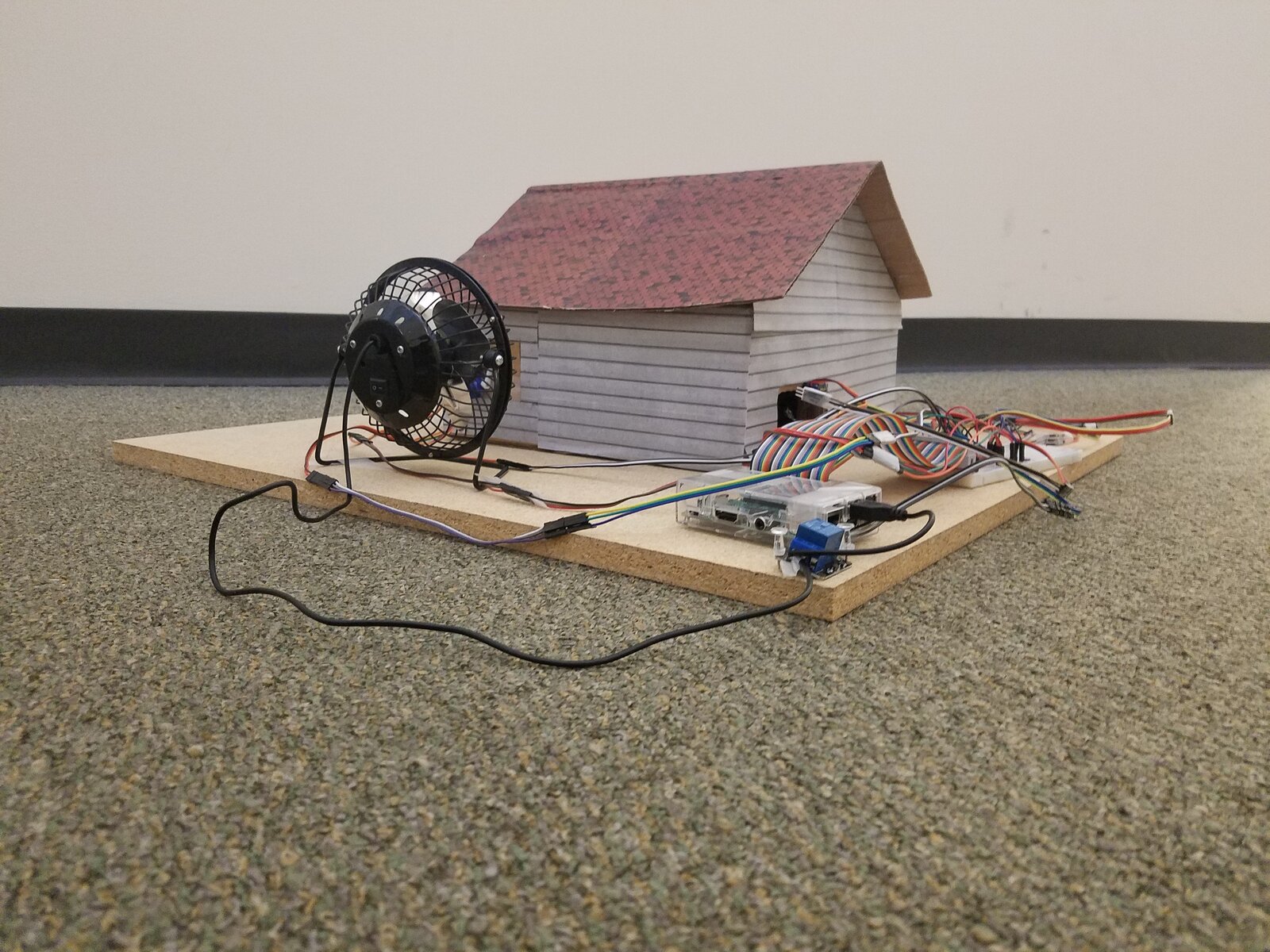
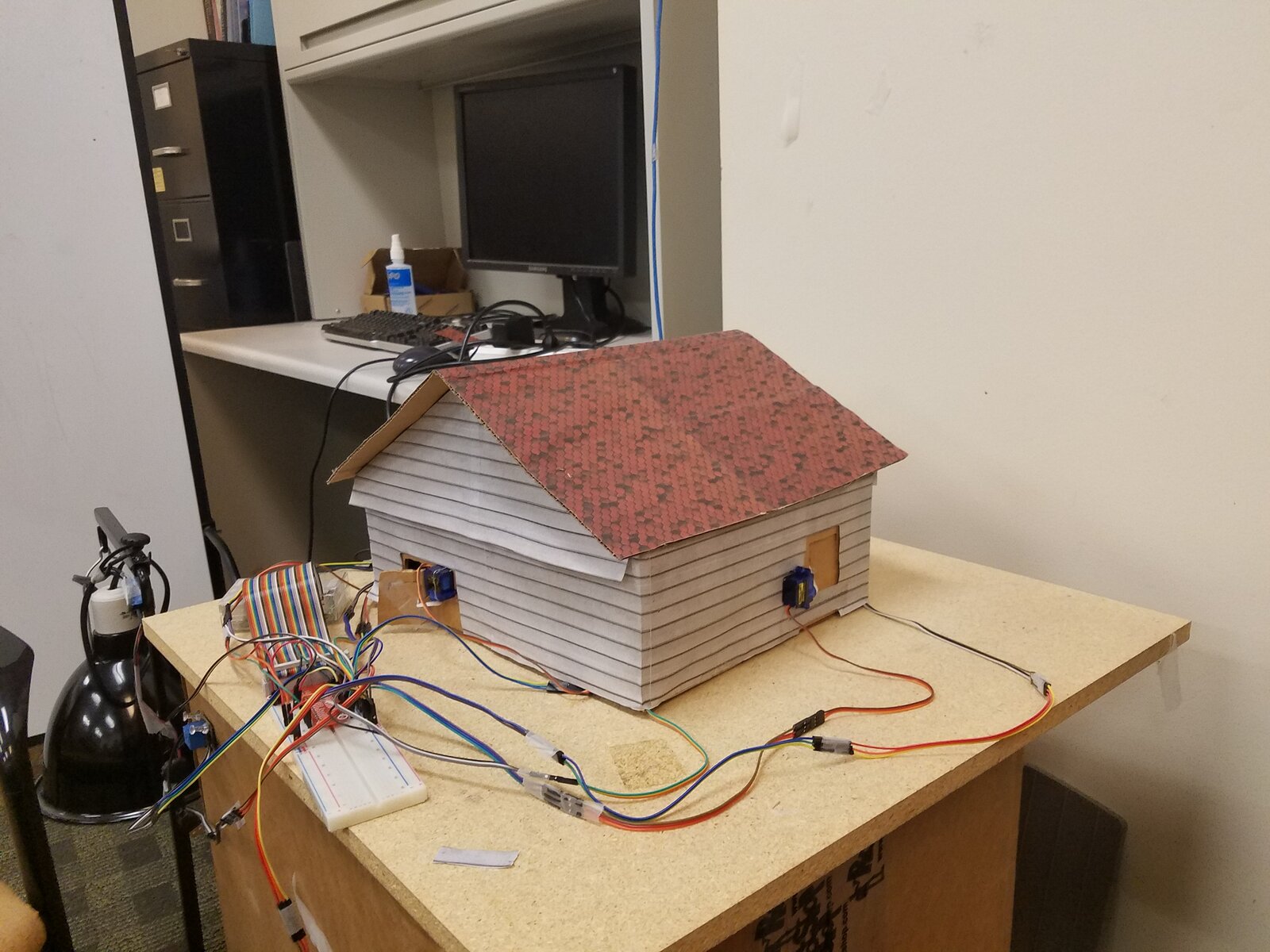
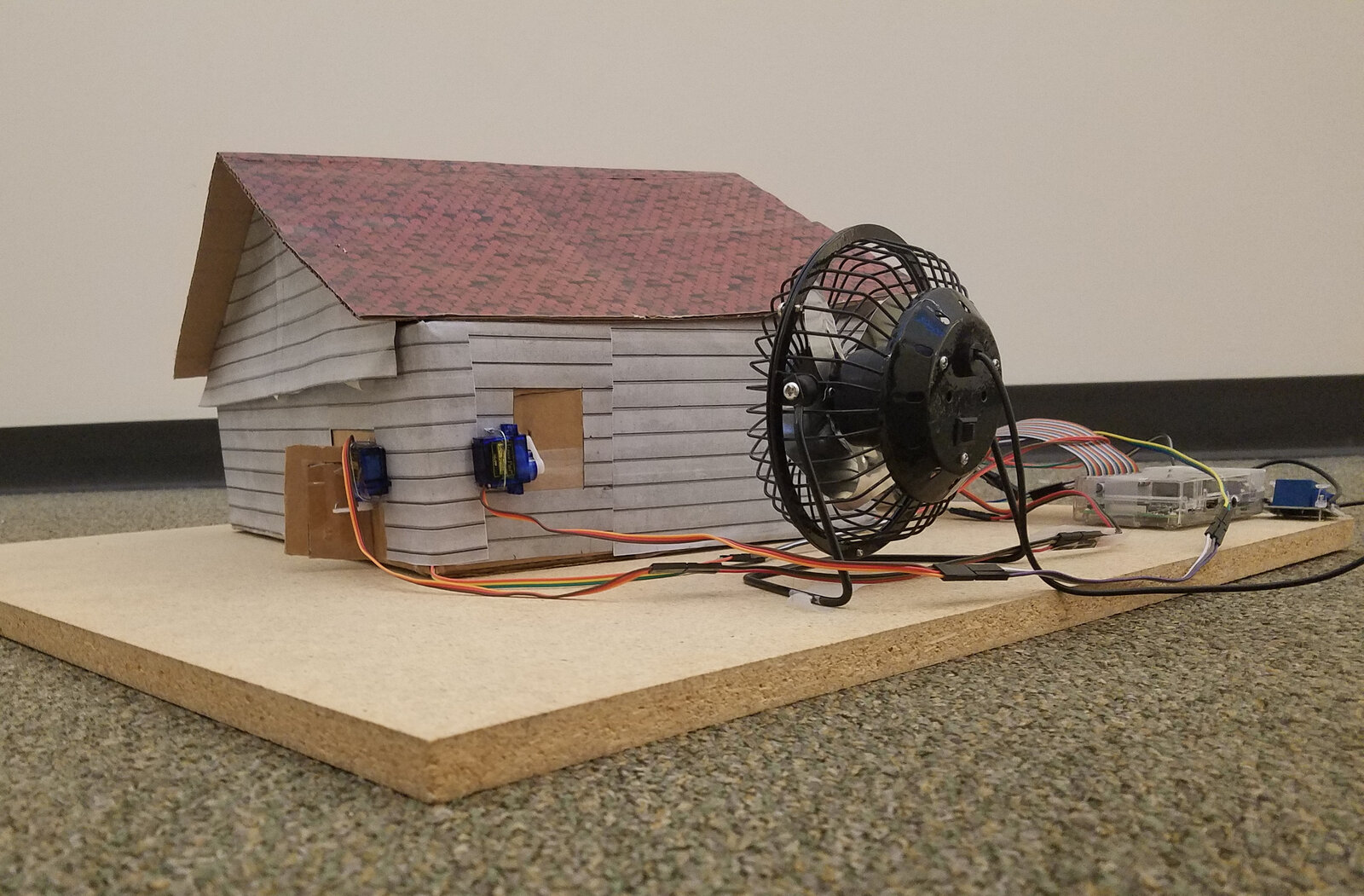
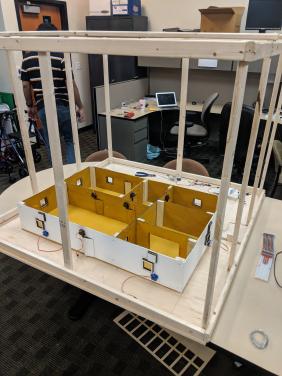
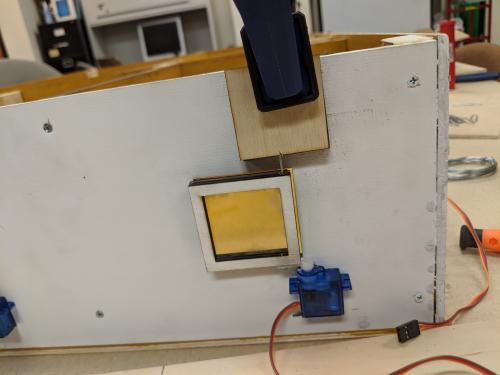
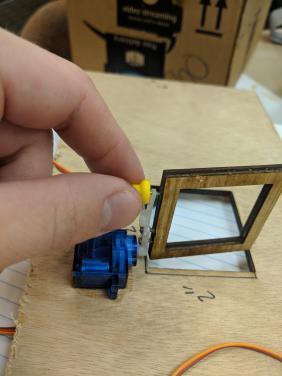
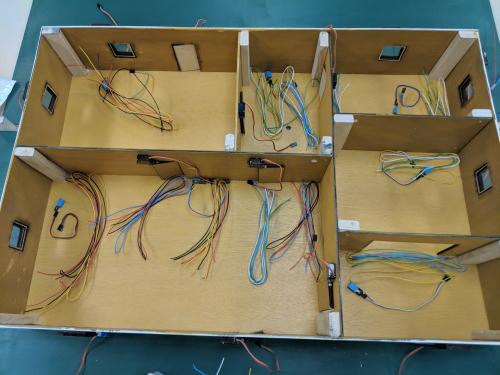
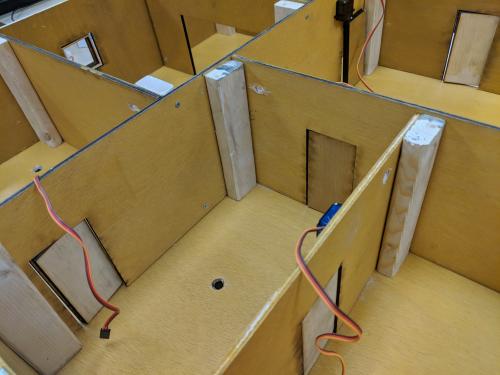
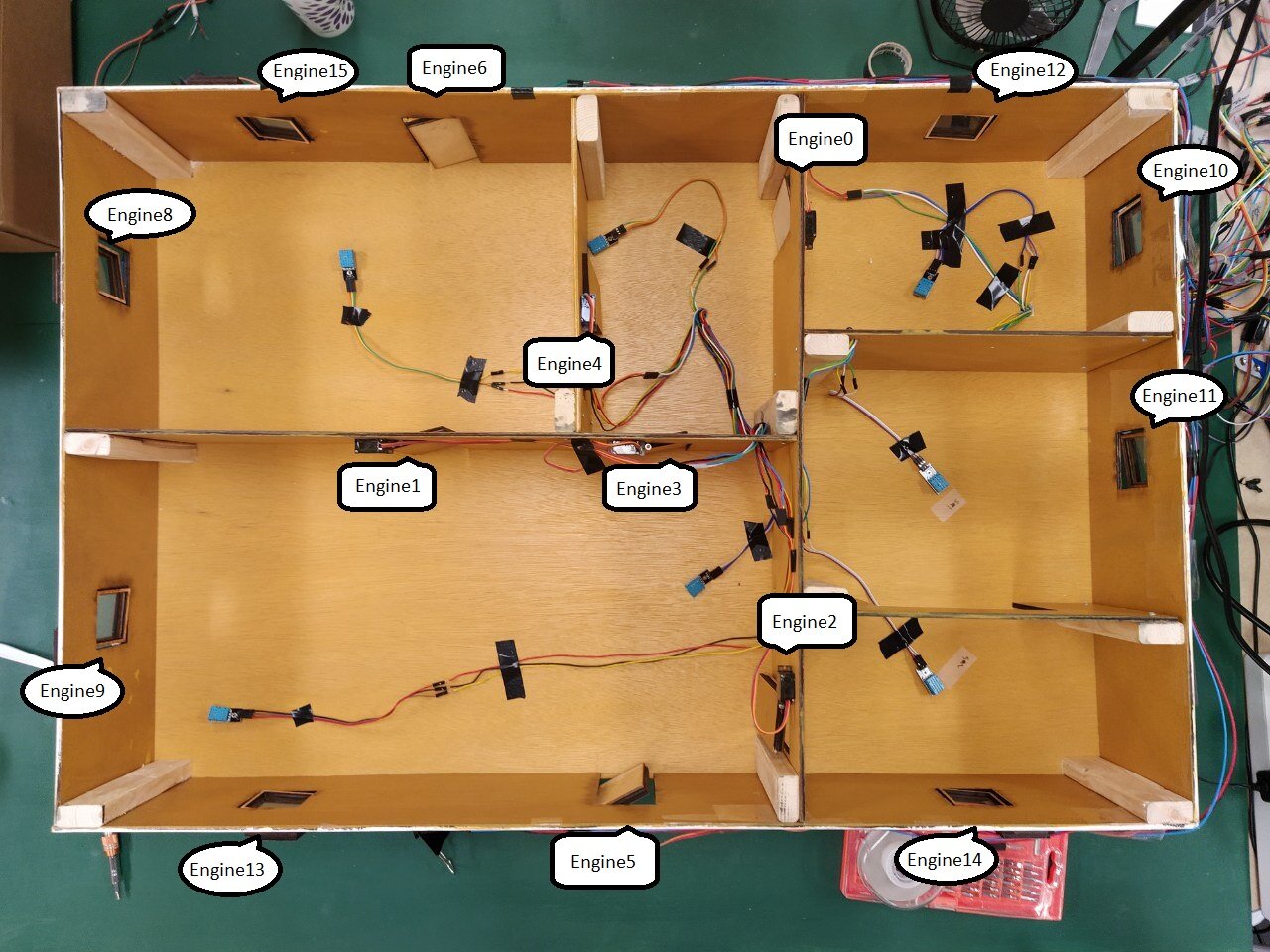
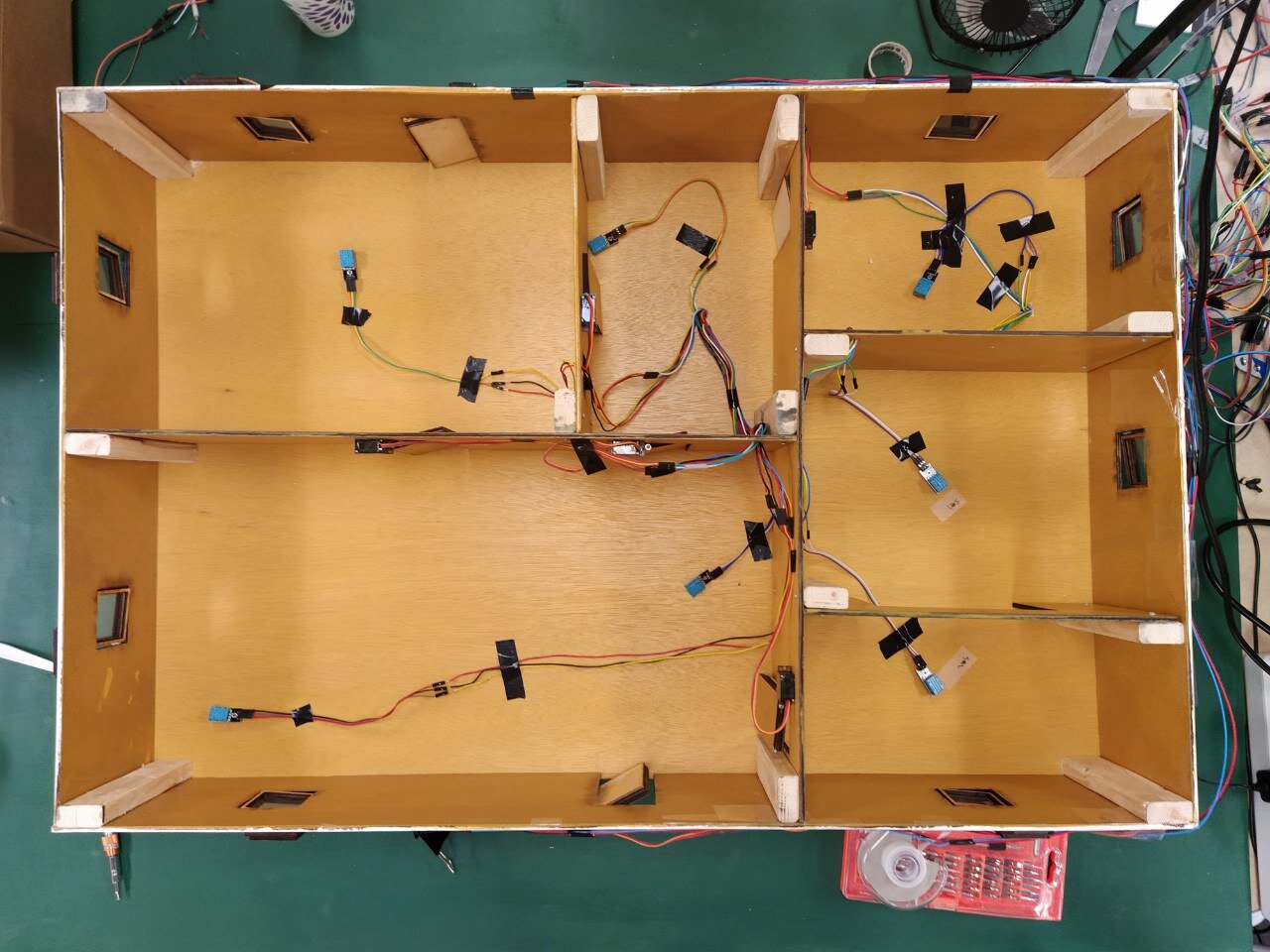
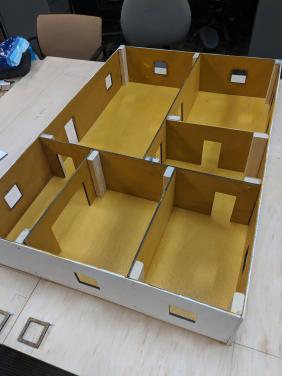
This project centers about the building of the ScaledHome as a physical, scaled model of an IoT enabled suburban home. ScaledHome is intended to facilitate experiments with arbitrary home configurations that would be prohibitively expensive or even impossible to do with real-world homes. The sensors of the planned model capture temperature, humidity and light in every room, measure the energy consumption and track the solar power generation and energy storage capabilities. Actuators will control doors, windows and shutters, air conditioning and heating units as well as reproduce the weather conditions.
The system will support both autonomous and human-in-the-loop experimentation for smart home and smart grid scenarios
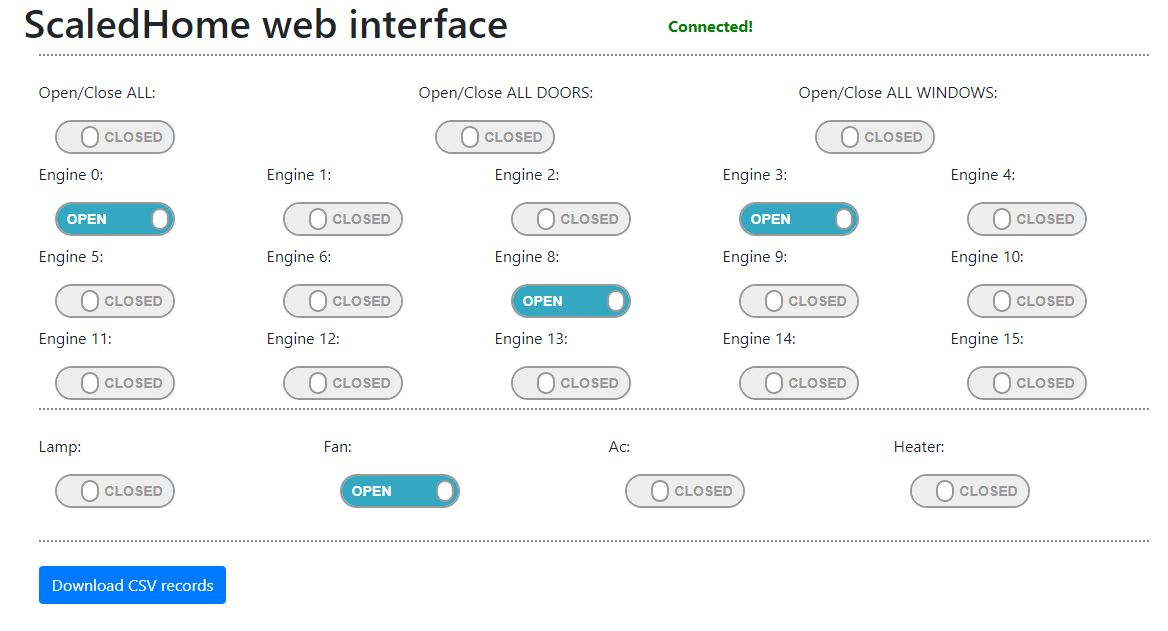
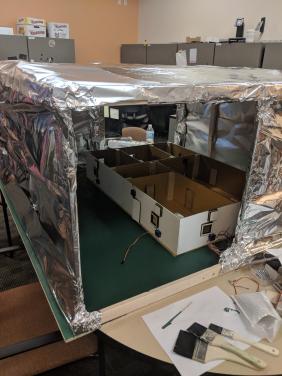
Since 2018 our group at the AI Things Laboratory built two prototype scaled home models as part of Turgut's NSF REU grants CNS 1560302 and 1852002. Both prototypes were built with off-the-shelf sensors and actuators connected to Raspberry Pi units. The first, simplest model ScaledHome-1 [Ling-2019-GLOBECOM], developed during Summer 2018, allowed us to gain experience with the implementation and identify modeling challenges. Starting from this experience, ScaledHome-2 [Burns-2020-ICC,Mendula-Thesis-2020] was built during Summer 2019 as a much more complex model, containing 15 actuators, an environmental enclosure for weather simulation and a web-based experiment control system that allows the remote execution of experiments. The latter allowed us to perform experiments with ScaledHome-2 from Bologna Italy during the COVID-19 lockdown, without local supervision.
Publications
- T. Burns, G. Fichthorn, S. Zehtabian, S. S. Bacanli, M. Razghandi, L. Bölöni, and D. Turgut. IoT Augmented Physical Scale Model of a Suburban Home. In Proc. of the Workshop on Convergent IoT at ICC-2020, pp. 1–5, June 2020. BibTeX
- Matteo Mendula. Interaction and Behaviour Evaluation for Smart Homes: Data Collection and Analytics in the ScaledHome Project. Masters of Science Thesis, University of Bologna, Italy.
- Matteo Mendula, Siavash Khodadadeh, Salih Safa Bacanl\i, Sharare Zehtabian, Hassam Ullah Sheikh, Ladislau Bölöni, Damla Turgut, and Paolo Bellavista. Interaction and Behaviour Evaluation for Smart Homes: Data Collection and Analytics in the ScaledHome Project. To be presented at the 23rd International Conference on Modeling, Analysis and Simulation of Wireless and Mobile Systems (MSWIM-2020), November 2020. BibTeX
- J. Ling, S. Zehtabian, S.S. Bacanli, L. Bölöni, and D. Turgut. Predicting the temperature dynamics of scaled model and real-world IoT-enabled smart homes. In Proc of. IEEE Global Communications Conference (Globecom-2019), pp. 1–6, December 2019. BibTeX Download